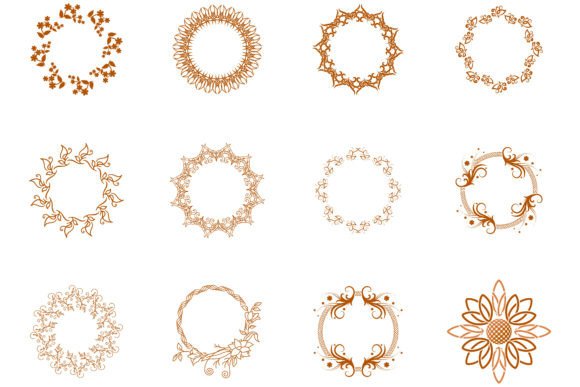
The Timeless Appeal of the Circle Ornament Symbol in Design
In a world saturated with visual noise, the circle ornament symbol stands out as a timeless and versatile design element. This simple yet powerful shape, often enriched with intricate floral, botanical, or geometric patterns, offers designers a unique tool for creating elegant and cohesive visual narratives. From a professional graphic design perspective, understanding how to leverage such assets is key to elevating brand identity and enhancing user experience across various media.
Understanding the Power of the Circle Ornament
A circle ornament symbol is more than just a decorative frame or border. It functions as a focal point, a container for information, and a unifying element in a composition. Its inherent roundness conveys concepts like unity, wholeness, and eternity, making it particularly effective for brands and projects aiming to communicate trust, community, or timeless elegance. In modern visual design, these symbols are critical creative assets that bridge vintage charm with contemporary aesthetics.
Practical Applications Across Creative Projects
The utility of a well-designed circle ornament extends far beyond a single use case. Its adaptability makes it a valuable component in a designer's toolkit. Consider its role in:
- Logo and Brand Identity: A circle ornament can encapsulate a monogram, initials, or a core brand symbol, creating an emblem that feels both official and artistic. It instantly adds a layer of sophistication to a brand mark.
- Marketing and Social Media Graphics: Use these elements to frame key messages, highlight promotions, or add visual interest to Instagram stories and Facebook posts. A gold or rustic floral wreath can instantly elevate a simple graphic into an engaging piece of content.
- Web and UI Design: As a decorative element, a circle ornament can break up text-heavy sections, guide the user's eye, or serve as an elegant loading spinner or icon background. It contributes to a polished and premium user interface.
- Print and Editorial Design: In wedding invitations, greeting cards, and editorial layouts, these symbols act as beautiful frames for text or illustrations, setting a specific tone—be it romantic, botanical, or luxurious.
- Packaging and Merchandise: A vintage-inspired ornament can transform product labels and packaging, telling a story of heritage and quality. It's equally effective on merchandise like tote bags, apparel, or stationery, creating a collectible feel.
Integrating Ornamental Elements Effectively
Simply adding a circle ornament to a design is not enough; its effective integration is what separates amateur work from professional presentation. To maximize impact, designers should consider several factors during the selection and implementation process.
First, ensure visual hierarchy is maintained. The ornament should complement, not compete with, primary content like headlines or calls-to-action. Its scale and visual weight must be balanced within the overall composition. Second, pay close attention to consistency. If you're using a floral, hand-drawn style ornament, it should align with the typography, color palette, and other graphic elements in your brand system. A mismatched style can create visual dissonance and undermine brand coherence.
Scalability is another critical consideration. A high-quality vector file is essential, ensuring the intricate details of the ornament remain crisp whether it's scaled for a large banner or reduced to a small icon. Finally, always think about your audience and context. A delicate botanical wreath suits a spring wedding invitation, while a bold, abstract circular emblem might better fit a modern tech startup's logo. The choice of color—whether using a rich gold for luxury or a muted tone for rustic appeal—further refines the message.
Ultimately, the thoughtful selection and application of design elements like the circle ornament symbol are what build a strong visual language. By choosing high-quality, versatile assets and integrating them with a clear understanding of design principles, creators can significantly improve both the aesthetic appeal and communicative power of their work, ensuring their projects resonate with clarity and professional elegance.